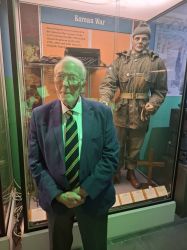
Phil McGiveron has been assisting with Archival work at the Museum since December. He has catalogued a large number of documents, photographs, official reports, diaries and letters. This work has been invaluable and Phil has been able to bring extensive knowledge to the work based on his 47 years’ service in the Corps. In this piece, Phil talks about his favourite exhibit at the Museum.
My favourite exhibit is the Scout Heli Tele rig which now resides quietly in a corner in the Northern Ireland display: but in its day lived in a very different noisy, chaotic environment.
Whilst with 39 Infantry Brigade, I installed and managed Heli Teli and it was flown by Army Air Corps pilots in a Scout helicopter. It was controlled from Lisburn and from Land Rovers on the streets of Belfast and Londonderry. The Scout often flew during the week and weekends especially during marching season, often being mistaken for a sniper helicopter.
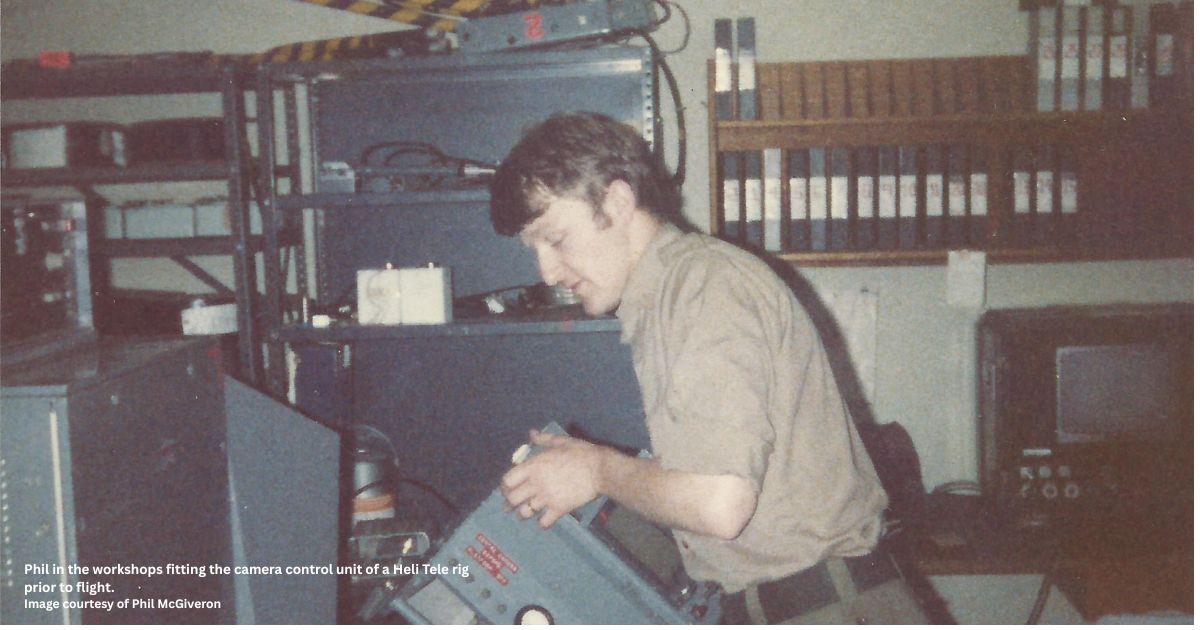
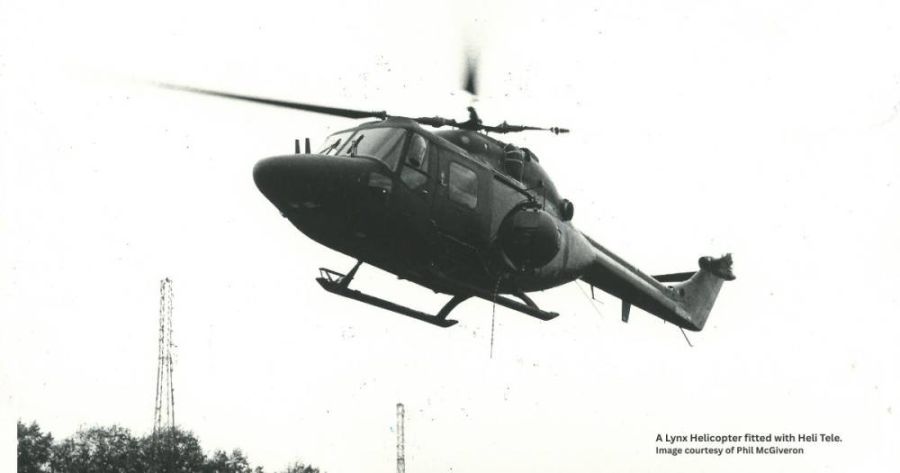
Heli Tele was a great design but tended to need a lot of maintenance effort as it tried to shake itself to bits every flight! The co-pilot operating the camera would often say over the net “follow the red car” but the transmission was black and white so the troops on the ground had to quickly exit the Land Rover with the screen and run round in circles trying to see a red car. The later Lynx version was colour and had the ejector button removed which the Italians had asked Marconi to fit so no one ended up wearing a camera as a hat!
The Heli Tele equipment was an important tool in trying to keep the peace between communities during the 1980s and 90s and was also very important and saved lives when used to identify improvised explosive devices.
fits a Heli Tele rig to a Lynx.jpg)