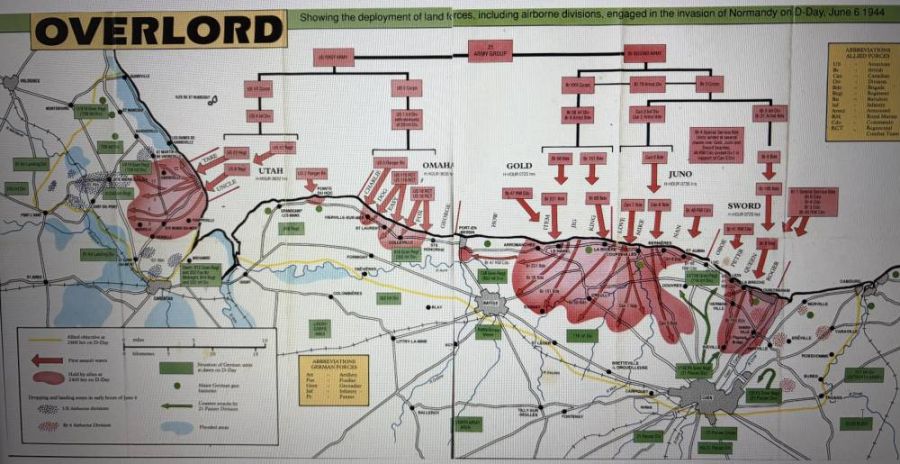
This Saturday, 6th June, marks 82 years since the D-Day Landings, when approximately 156,000 Allied troops landed on five Normandy beaches in one of history’s most daring military operations. That momentous day marked the beginning of the long and hard-fought campaign to free Europe from Nazi occupation. The R SIGNALS were involved in every phase of the planning including:
- The build-up of signals communications for the combined headquarters
- The communications for the assembly of troops for embarkation
- The creation of fake radio traffic to deceive the enemy as to the location of the landings
- Preparations for cross-channel communications links
- The provision of beach signals for the actual landings
- The allocation of radio frequencies (to ensure there was no unintentional jamming)
- The use of civilian telephone and telegraph lines once they had been captured and repaired
One of the most poignant D-Day artefacts in the R SIGNALS Museum is the ‘Original Lanyard.’
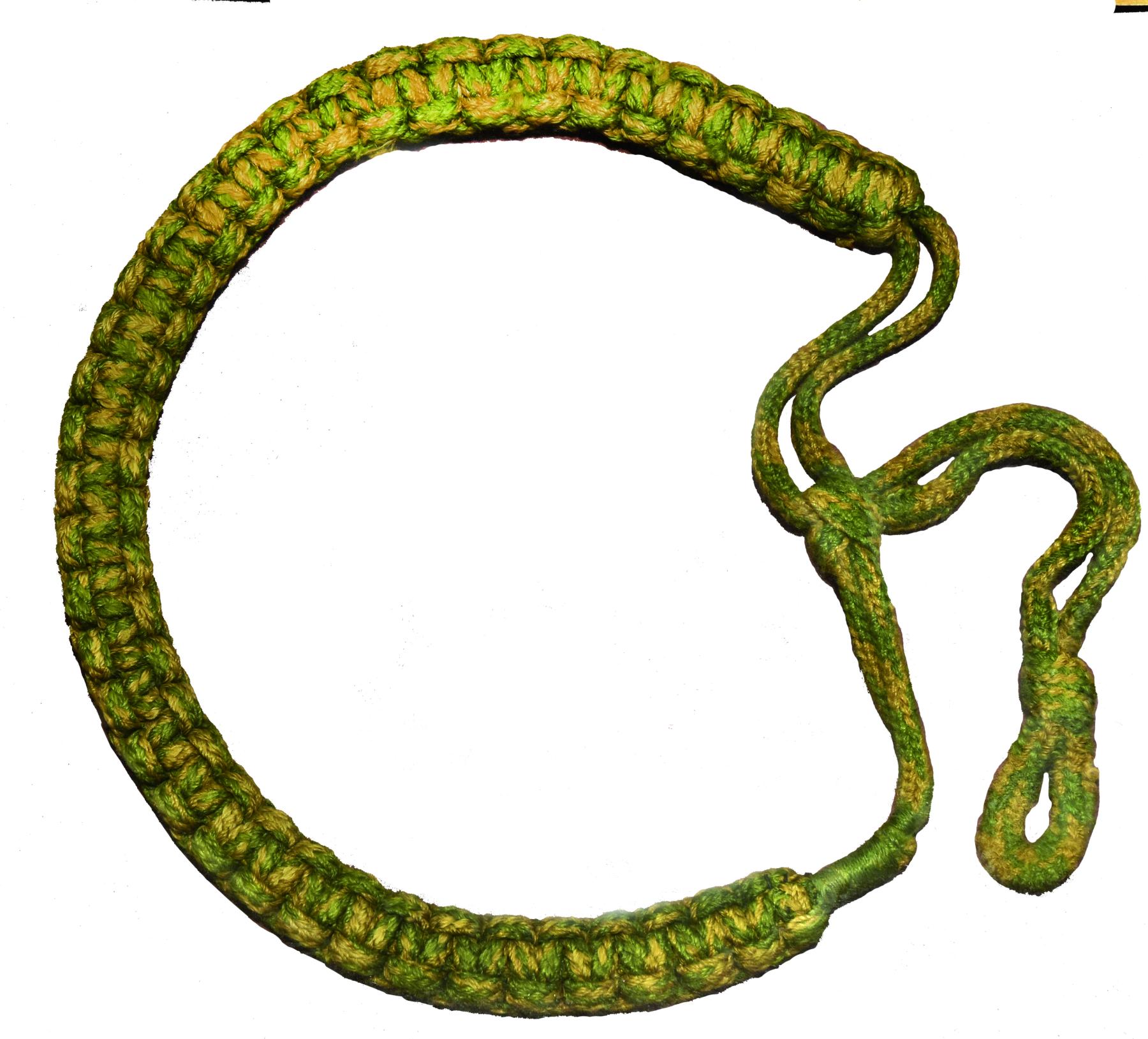
Immediately following the landings in Normandy by 6th Airborne Divisional Signals on 6 June 1944, the Commanding Officer, Lieutenant Colonel Smallman-Tew, encouraged each soldier to plait for themselves a lanyard from the camouflaged rigging lines of parachutes still scattered on the drop zones.
The aim was to ensure that each soldier had in their possession a length of strong cord which might be useful should they be involved in any future attempt to escape capture by the enemy. All soldiers carried out their Commanding Officer’s wish and the Lanyard was worn by all ranks.
On 22 July 1944 Lieutenant Colonel Smallman-Tew and his driver were killed when a German mortar shell hit their vehicle near Escoville, France. The Lanyard has been proudly worn since 1944 by all ranks of airborne signals units in direct descent from 6th Airborne Divisional Signals in memory of Lieutenant Colonel Smallman-Tew.
The original Lanyard displayed in the Museum was made from the rigging lines of the actual parachute used by Lieutenant Colonel Smallman-Tew on D-Day, 6 June 1944.