Learn
Royal Signals
Museum
Dorset's interactive museum of military communications, telling the story of the Royal Corps of Signals.


The Museum
Learning At The Royal Signals Museum
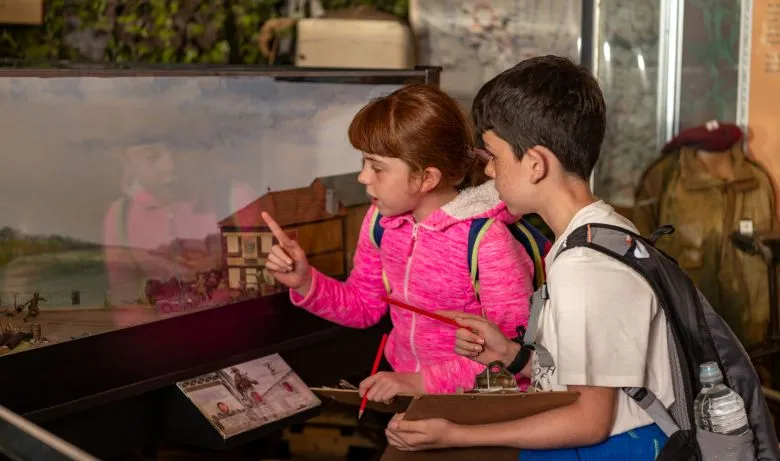
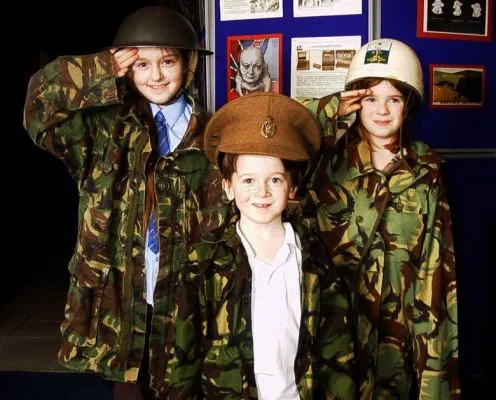
The Royal Signals Museum provides a unique opportunity to learn in a lively, educational and interactive setting. Visits provide young people with real, inspirational context for their studies.
We offer a rich focus for many aspects of the formal school and college curriculums including history, technology, science, public service and maths.
We have also prepared content to assist ACF/CCF visits, as well as badge awards in the Scouting and Guide movements.
Activities take place in our selection of STEM classrooms, as well as within the Museum's galleries.
Click below to access our education programme brochure.
Archive
Family History Research
You can research the experiences of an individual by looking at:
Service records (see below) – administrative files may record dates and places of enlistment and demobilisation, postings and units, injuries or disciplinary action.
Casualty information – sources recording those wounded or taken prisoner of war as well as the burial and commemoration of those who died.
Medal records – medal entitlements can indicate involvement in specific campaigns as well as awards for service or gallantry.
Unit and operational histories (see below) – resources describing the day to day operational activities of units.
The Museum does not hold service records for current or past members of the Corps. The UK Government website provides instructions on requesting records on their guidance page: Get a Copy of Military Service Records
Unit and operational histories are located at the National Archives. Click here to search their catalogue.
Read our research guide by clicking the link below.
The Corps
Free Lesson Library
Explore a range of engaging and free learning resources from the British Army, including standalone lessons and complete schemes of work.
Lessons target Key Stage 3 and 4 students. Subjects areas include STEM, history and PHSE/citizenship.